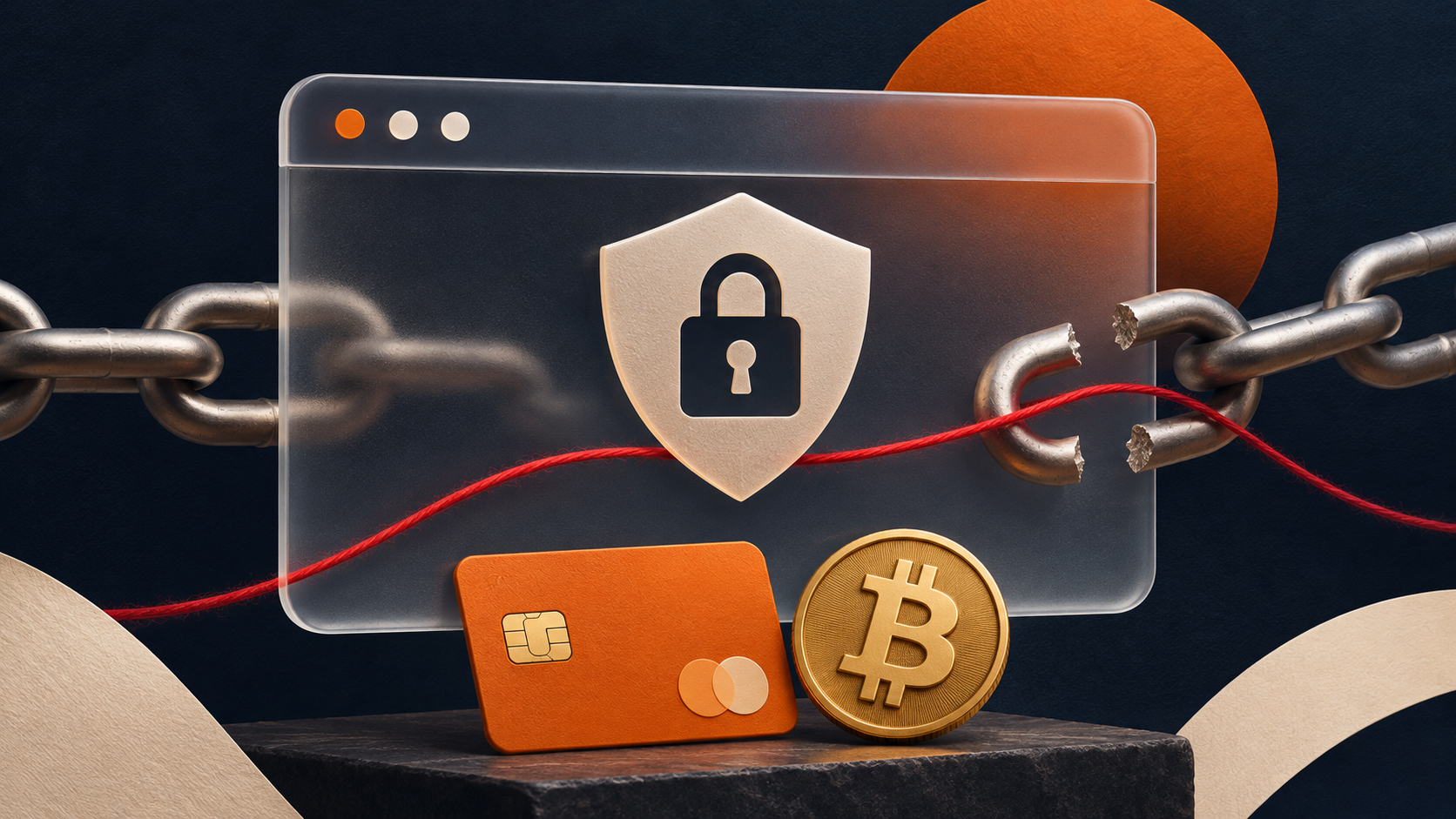
Optimizely says an attacker exploited a vulnerability in its Experimentation product to inject malicious JavaScript into customer projects. In a November 17, 01:02 UTC notice, the company said it had fixed the flaw, removed the code and secured affected accounts. The incident remained under monitoring.1
StepSecurity’s November 17 investigation describes a payload that replaces cryptocurrency payment addresses and collects card details. Its researchers traced an Optimizely-hosted script loading the malware on a GitLab page.2
The distinction matters: an infected webpage does not establish that every visitor lost money. StepSecurity cautioned that some attacker-wallet activity predated the campaign; wallet balances are not a verified victim-loss total.2
For users, the researchers recommend checking a payment’s destination against the intended address, not just the text copied from a webpage. For site operators, a script that is clean now does not establish that it was clean during the incident.2
Update, November 18: practical checks after cleanup
Unit 42 recommends removing unnecessary marketing, testing and analytics scripts from login and checkout pages, separating payment collection into hardened cross-origin frames, and reviewing project changes from the exposure period. It says payment data entered on affected pages should be treated as potentially compromised.4
The analysis also describes attempted delivery of iPhone and iPad exploit kits. An attempted exploit is not evidence that every exposed device was infected.4
Analysis: ownership includes checking what you authorize
Bitcoin allows its owner to authorize a transfer without delegating custody to the website displaying a payment request. That separation is valuable: the site supplies information, while the owner retains the decision to sign. The practical lesson is to keep those roles distinct and verify the intended recipient through a trusted channel before approving a transaction. A valid Bitcoin transaction can still pay the wrong recipient if the address was substituted.
Self-custody education should therefore teach more than keeping keys private. Recipient checks, recovery planning and understanding what a signature authorizes belong together. Practice with simulations makes independent monetary ownership a skill rather than a slogan.