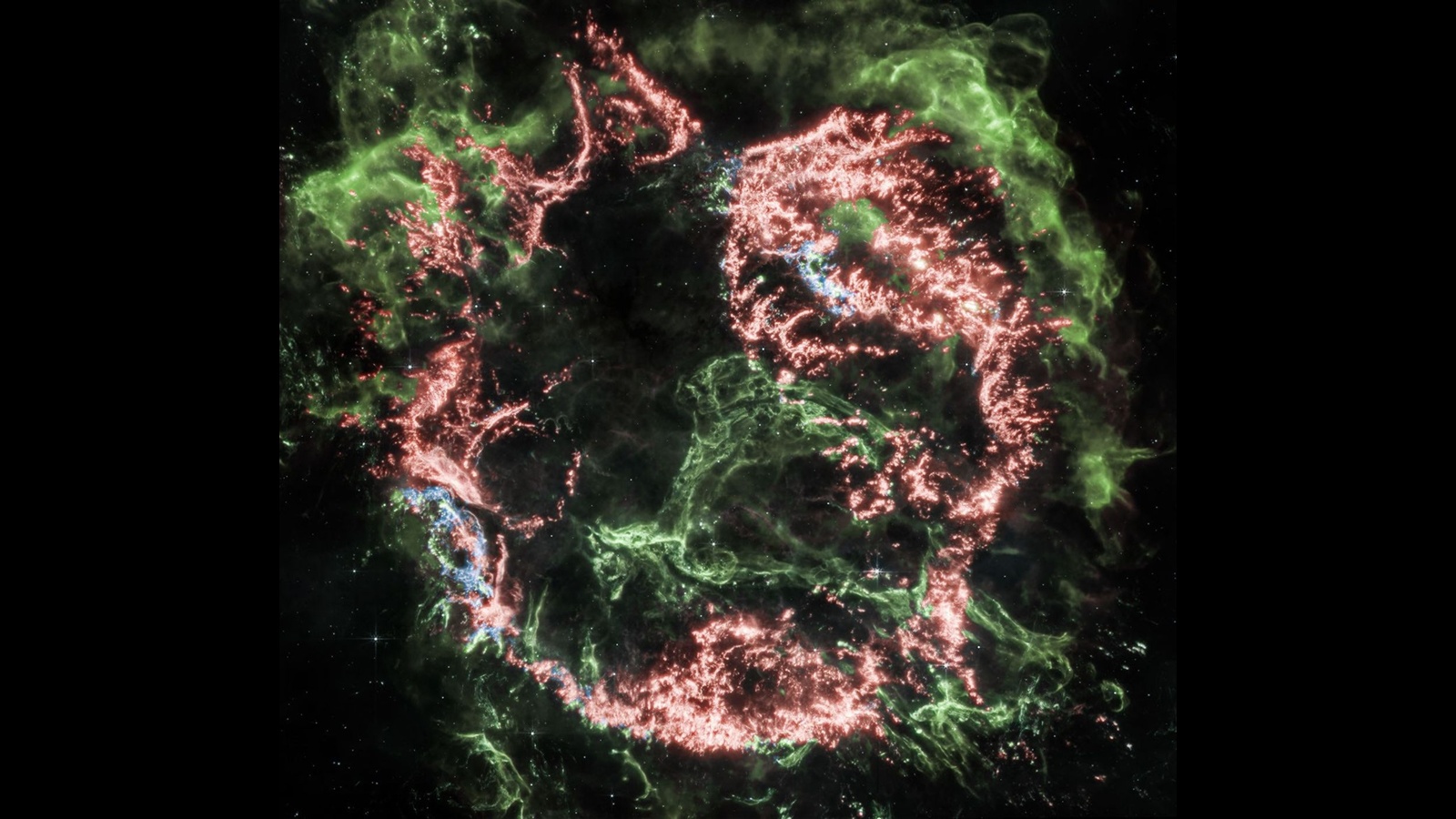
Webb observations of Cassiopeia A support a scenario in which layers inside its original star mixed shortly before it exploded, NASA reported November 23.1
Researchers mapped the remnant's dust chemistry. They found different regions dominated by silica, carbon and complex magnesium silicates. These signatures help reconstruct the star's structure before the explosion.1
The possible timing, just hours before collapse, is an inference from the remnant. Webb did not film a star's final hours. NASA says the results appeared in The Astrophysical Journal Letters.1
Bloomboff's take: make the claim inspectable
The interesting habit here is distinguishing a measurement from the story built around it. A striking image invites attention; the method and its limits determine what that attention should become. Institutions earn confidence by making claims open to examination.
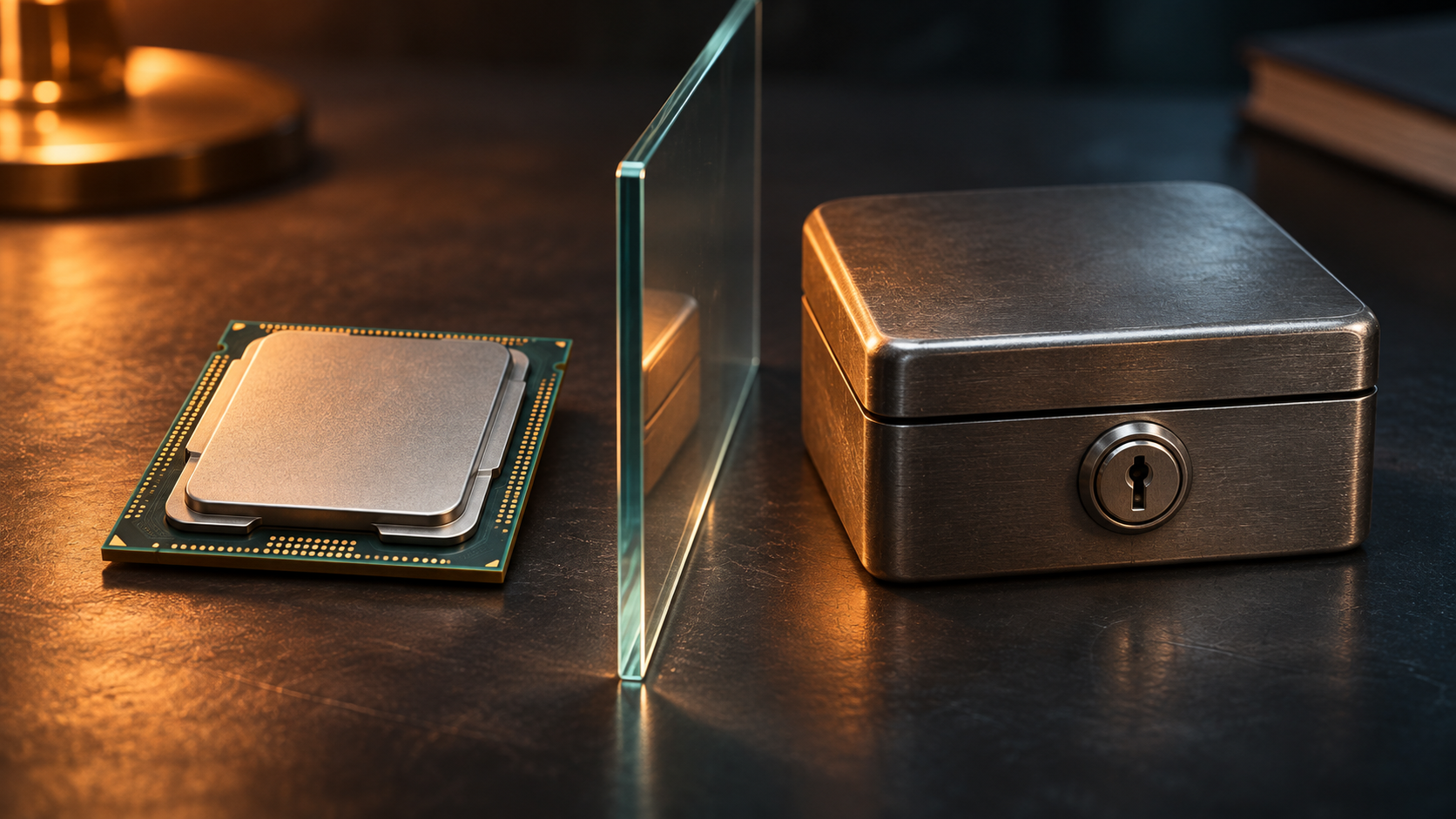
Bitcoin extends that principle into money. A saver can run a node to check whether transactions and issuance follow the network's rules, instead of relying solely on an issuer's assurances. Self-custody adds a different power: authority to sign a spend. Verification and ownership are complementary, not interchangeable.
Education should make the distinction concrete. Checking a supply rule does not prove that a recipient is honest, and holding keys requires a tested recovery plan. Teaching these skills gives people tools for independent judgement. Astronomy does not validate a monetary investment; the shared value is the ability to inspect a claim rather than merely admire its presentation.