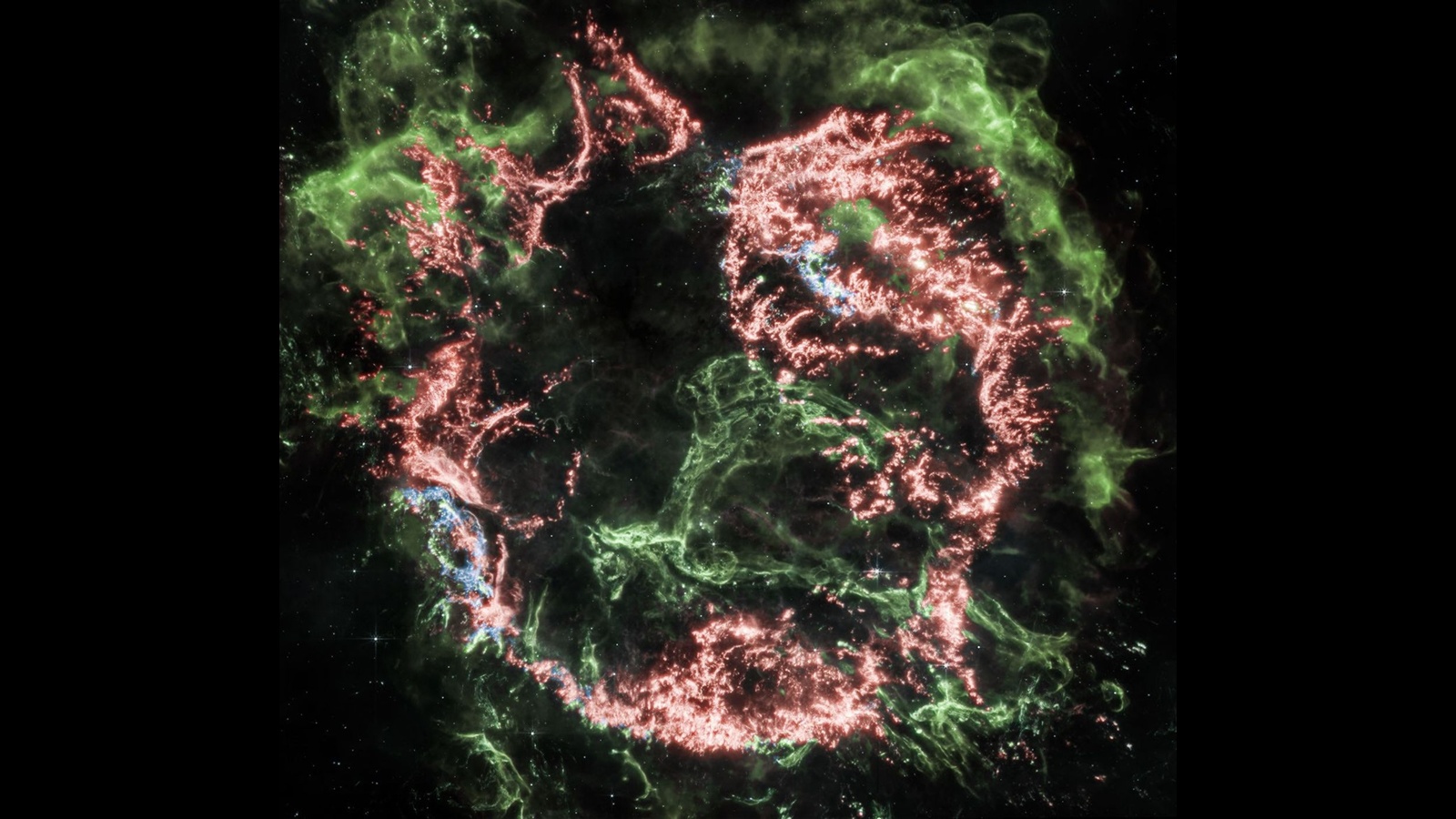
NASA has ended science operations for NICER, its X-ray telescope aboard the International Space Station. In a November 17 update, the agency said teams are planning to finalize the eight-year observations archive, decommission the instrument and detach it from the station.1
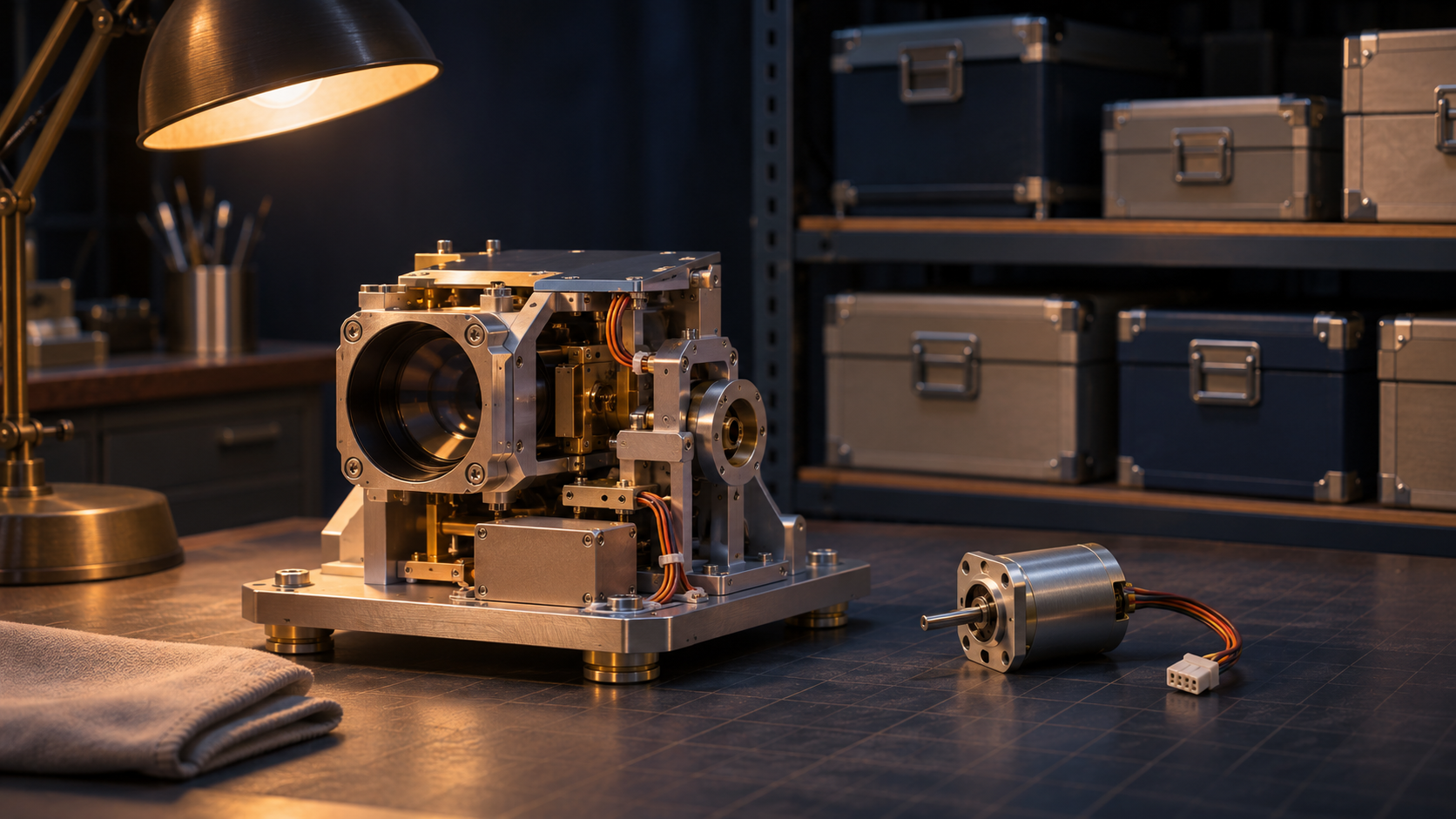
Observations paused in June 2025 after the telescope lost side-to-side movement. Engineers now think an internal motor failed. That is NASA’s assessment, not a finding independently established here.1
NICER launched in 2017 for an initial 18-month mission. The agency says it operated six and a half years beyond that original mission.1
For readers tracking the project, the distinction is simple: science operations have ended; archive completion and removal are still planned. The notice does not give a removal date.1
Bloomboff's take
An instrument can stop working while its evidence remains useful. The important question is what people can inspect after the machine, its operator or its funding arrangement changes. Preserving measurements is a different responsibility from keeping hardware running, and both deserve an explicit account of costs and results.
The same preference for independently checkable records shapes our view of money. A saver should not have to rely entirely on an institution’s continuing promise. Bitcoin offers monetary rules and transaction history that participants can verify for themselves, alongside direct ownership through competent self-custody. That is the relevant principle here, not a claim that Bitcoin could repair this telescope or replace scientific data storage.
Scientific and monetary literacy can share a practical lesson: know what your evidence establishes. A photograph is not a diagnosis; a price is not a guarantee; a balance displayed by an intermediary is not proof that you control the keys. Schools can teach verification, issuance and safe recovery with simulations. The payoff is informed independence, not blind confidence in either a machine or a monetary institution.