Update, November 18: Tara Gas crew status
India’s Ministry of External Affairs said on November 17 that one Indian national remained missing after the November 16 attack on the Panama-flagged LPG tanker MT Tara Gas. It reported 21 Indian nationals evacuated ashore at Khasab, Oman, and two injured Indian crew members admitted to hospital, according to DD India.5
The ministry said India’s embassy was coordinating with Omani authorities on search and rescue. The figures account for the 24 Indian nationals aboard; they are not a statement about every crew member or a final outcome of the search.5
This is a dated ministry account, not a live rescue tally. The earlier UKMTO safety assessment retained below was made when that warning was issued and should not be read as the latest crew-status report. The sources reviewed here do not identify who carried out the attack.
Bloomboff's take
Shipping makes the limits of monetary policy concrete: creating more claims on goods cannot deliver a cargo through a dangerous strait. Real prosperity depends on people being able to produce, transport and exchange safely. The immediate work is rescue and protection of civilian navigation.
Bitcoin addresses a different dependency within trade: the monetary intermediary. When counterparties voluntarily accept it, they can settle in an asset with predictable issuance and verify transfers without relying on a single institution’s account system. That is a constructive option for exchange, not a way to extinguish a shipboard fire, guarantee delivery or bypass applicable law.
Practical education connects that freedom to responsibility. Traders need to distinguish payment from shipment, agree terms and verify recipients. Self-custody training should include secure recovery and transaction practice with simulations. Sound money can support voluntary cooperation; it cannot substitute for the physical safety on which commerce depends.
Earlier reporting and shipping estimates
Update, November 17: Windward reports seven cargo-vessel and tanker transits through Hormuz on November 16: three inbound and four outbound. Six broadcast Automatic Identification System (AIS) signals. Its methodology cautions that reappearance after long signal gaps can establish a crossing without establishing its exact timing. These provider estimates are not a complete independently verified traffic count.4
The Kpler figures below concern a different period and vessel grouping. They should not be combined into a single comparable series.
Update, November 17: Reuters, citing Kpler data, reported five commodity-vessel transits through Hormuz on November 14 and none registered on November 15, compared with 31 across the previous weekend. Vessels can pass undetected with transponders switched off, so the figures do not establish a complete halt to shipping.3
Earlier report, November 17:
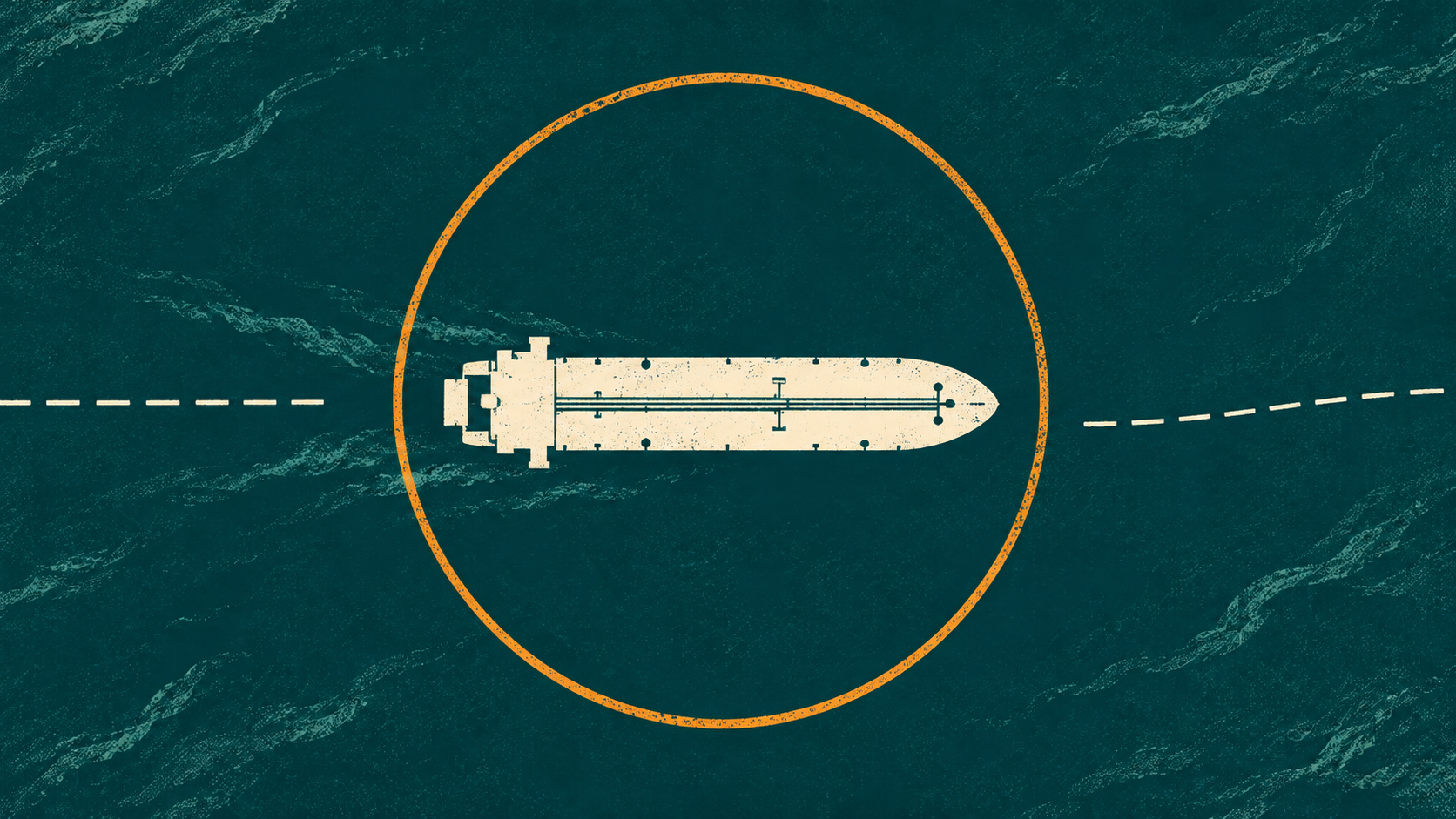
UK Maritime Trade Operations reported on November 16 that a tanker had been disabled in an attack seven nautical miles north of Khasab, Oman, while passing through the Strait of Hormuz.1
Warning 208 cites a third-party account of an engine-room fire. The crew were reported safe, but the extent of damage and environmental effects remained unknown when UKMTO issued the notice.1
The warning does not identify the ship or an attacker. It advises vessels to proceed cautiously and report suspicious activity while authorities investigate. The notice does not establish a closure of the strait.1