- California subpoenas require appearances the day after Election Day, AP reports.
- New Alaska subpoenas concern the second Sullivan candidacy; allegations remain disputed.
- An investigation or subpoena is not a finding of guilt or election fraud.
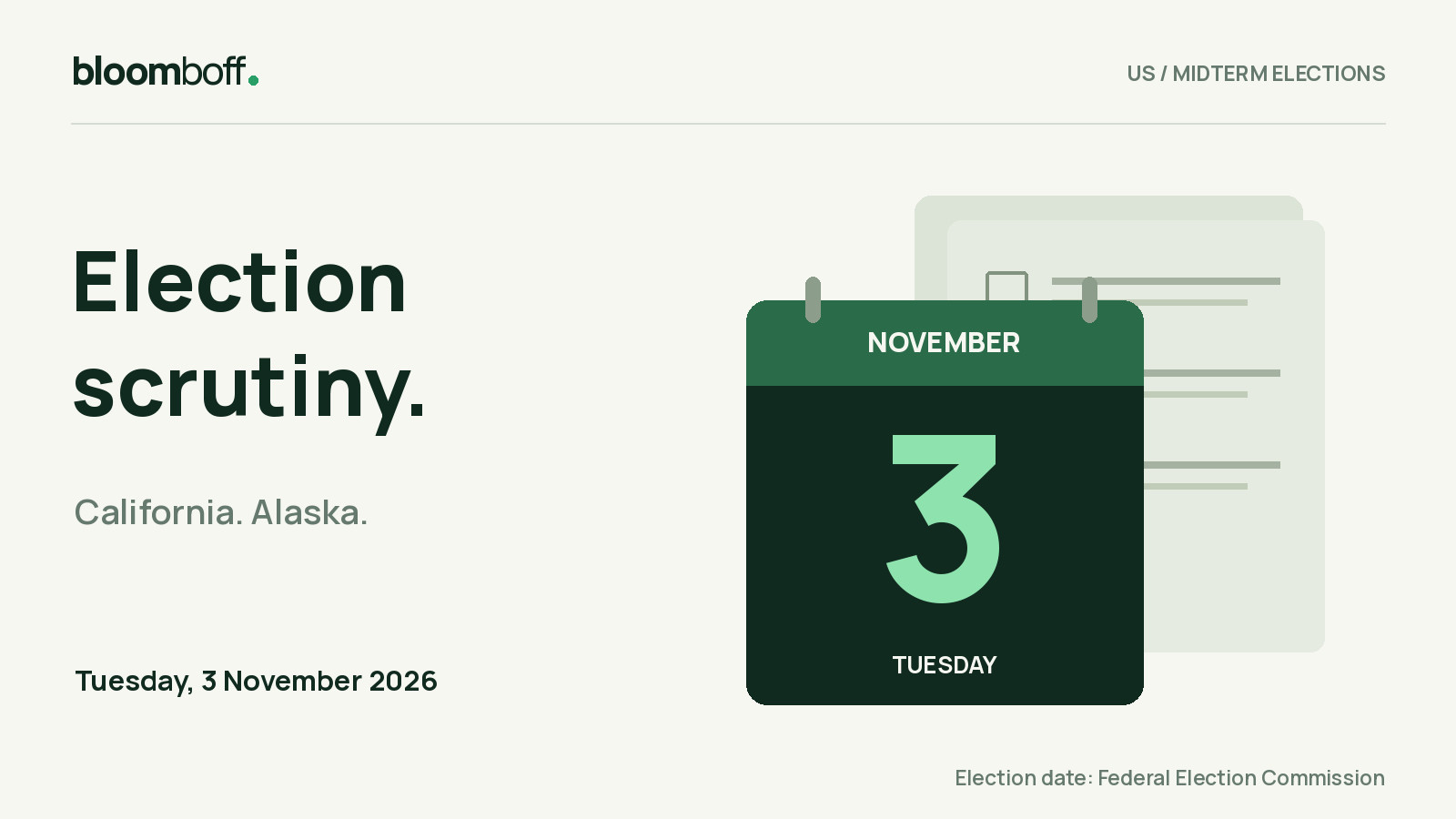
Election scrutiny is intensifying before November 3, with federal subpoenas targeting California election administration and an Alaska Senate candidacy controversy. These are investigations, not findings that votes were stolen.12
In California, the Associated Press reviewed two subpoenas requiring Los Angeles County election employees to appear on November 4. Judge David O. Carter also appointed a special master Thursday to examine disputed citizenship claims.1
The underlying ballot fight predates those steps. The government wants ballots linked to a list of roughly 20,000 alleged noncitizens separated for checks. California disputes its evidence. The Ninth Circuit’s October 26 order dismissed an earlier appeal as premature, rather than deciding that everyone on the list was eligible or ineligible.3
In Alaska, a person familiar with the matter told AP that prosecutors issued further grand jury subpoenas over the candidacy of a second Sullivan. The recipients and total were not immediately clear.2
Governor Mike Dunleavy separately ordered a state investigation after reporting alleged that people connected to Democrat Mary Peltola’s campaign helped recruit the challenger to Republican Senator Dan Sullivan. Peltola denies the allegation. Alaska Public Media reports that the state Supreme Court had already allowed the challenger onto the ballot.4
The unresolved questions are specific: what the evidence establishes, which laws may apply and whether courts order any change. Political accusations alone do not answer them. California’s official election guidance still lists November 3 as Election Day, with in-person polls closing at 8 p.m. local time.5