- The October 28 collision killed at least 69 people; rescue and identification work continued the next day.
- The transport minister says six trains stopped before control staff authorised normal running.
- His account is preliminary; the investigation has not established final responsibility.
At least 69 people were killed when a Renfe high-speed train hit a stationary Iryo train near Urda, central Spain, on October 28. As families searched for missing relatives the following day, a central question remained: why was a stopped train allowed to move toward another still ahead?12
Transport Minister Óscar Puente said a failure of the LZB automatic protection system at about 08:30 local time stopped six trains. According to his October 28 account, control staff then authorised the Renfe service to resume normal running at about 08:36, although an Iryo train remained stopped ahead and a signal was red. He called the decision “inexplicable”.2
The distinction matters: the initial outage halted the trains. Puente’s account places the subsequent restart decision at the centre of the investigation. It is his preliminary explanation, not a final finding of responsibility.2
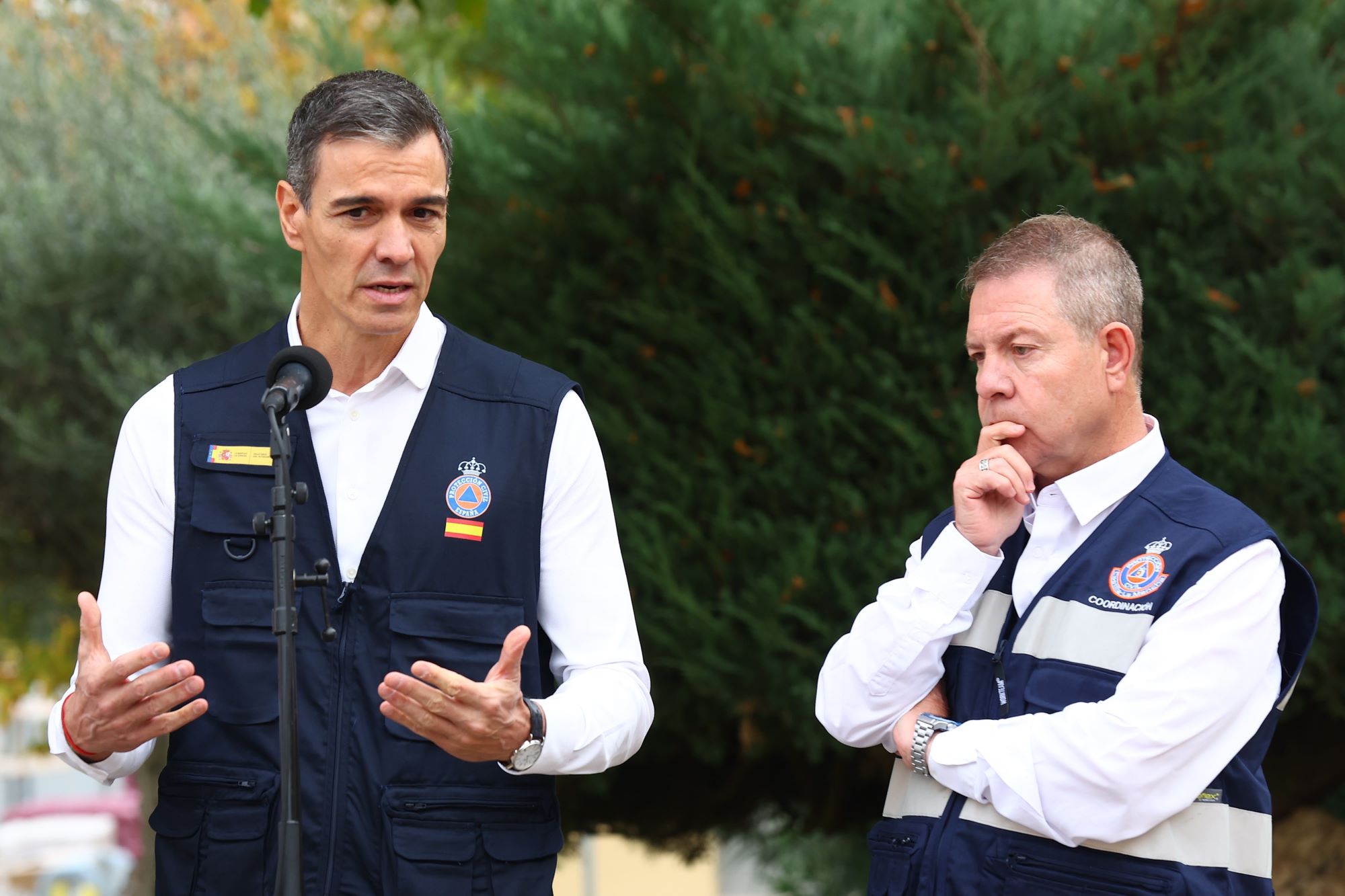
Prime Minister Pedro Sánchez said on October 29 that authorities were working to identify victims, establish the causes and strengthen safety. Those commitments do not yet explain the sequence of decisions or settle accountability.3
Renfe has activated its accident-victim assistance plan and family-support centres in Madrid, Córdoba and Seville. The operator also says affected passengers can change or cancel journeys without charge.4
Spain declared national mourning for October 29-31. The immediate priorities are the families and the investigation; the safety question is what protection remained when automatic control failed and normal running resumed.52