- Volumes rose; September’s fall was revised deeper.
Great Britain’s seasonally adjusted retail sales volumes rose 0.7% in October, the ONS reported on November 20. September’s decline was revised to 0.6% from 0.4%. Volumes increased 0.4% over the three months to October compared with the three months to July.1
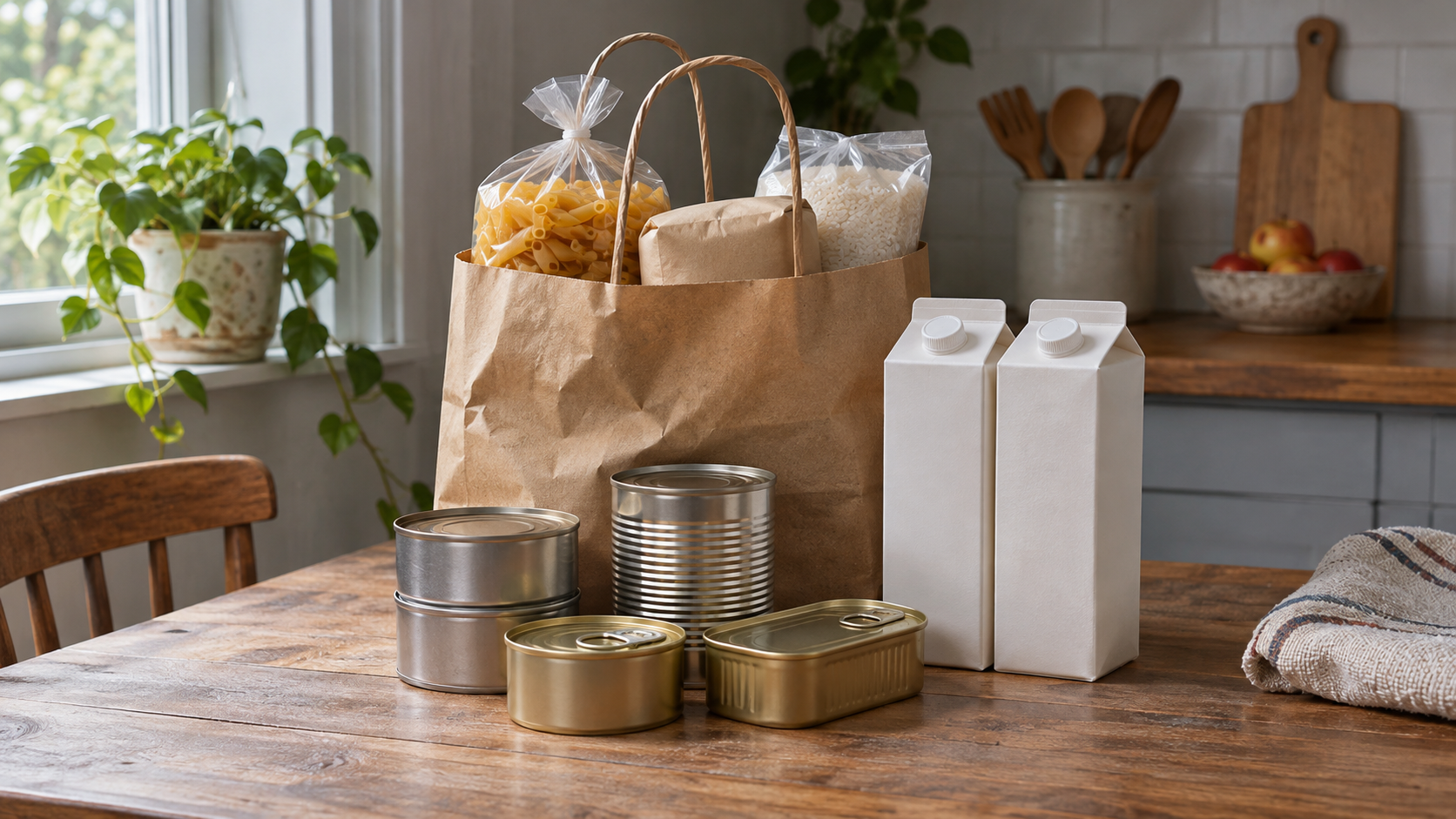
Supermarkets reported stronger sales of tins and long-life milk following government preparedness advice. That does not establish the cause of the entire increase. These figures measure quantities, not cash receipts; monthly movements can be volatile.1
Bloomboff’s take: a stocked cupboard is wealth, too
A household buying provisions is moving resources into a buffer it controls. More transactions alone cannot tell us whether that family feels richer or less secure. Economic resilience is the ability to meet future needs, not a requirement to keep spending today.
The monetary counterpart is saving without depending on an issuer’s promise to preserve scarcity. Bitcoin makes that case concrete: its issuance rules can be independently checked, and properly self-custodied holdings need no bank’s permission to move. That is a stronger foundation for monetary independence than discretionary expansion of the unit in which people save. It does not turn a coin into food or guarantee its purchasing power when tomorrow’s bill falls due.
Good financial education should separate provisions, near-term spending reserves and long-term saving. Schools can teach the ownership side through simulations: verify recipients, protect recovery information and understand why an exchange balance differs from keys you control. Preparedness begins with competence.