Update, November 16: Finland, Denmark, Estonia, France and Lithuania called for further EU action against crypto networks they say support Russia's war economy, Anadolu reported, citing a joint statement published by Finland's foreign ministry.3
The five governments also sought stronger enforcement within member states and international cooperation to close regulatory and supervisory gaps. This is a policy request, separate from the 113 adopted listings below. The report does not identify a new blanket prohibition on Bitcoin or establish how much Russian financing uses crypto.3
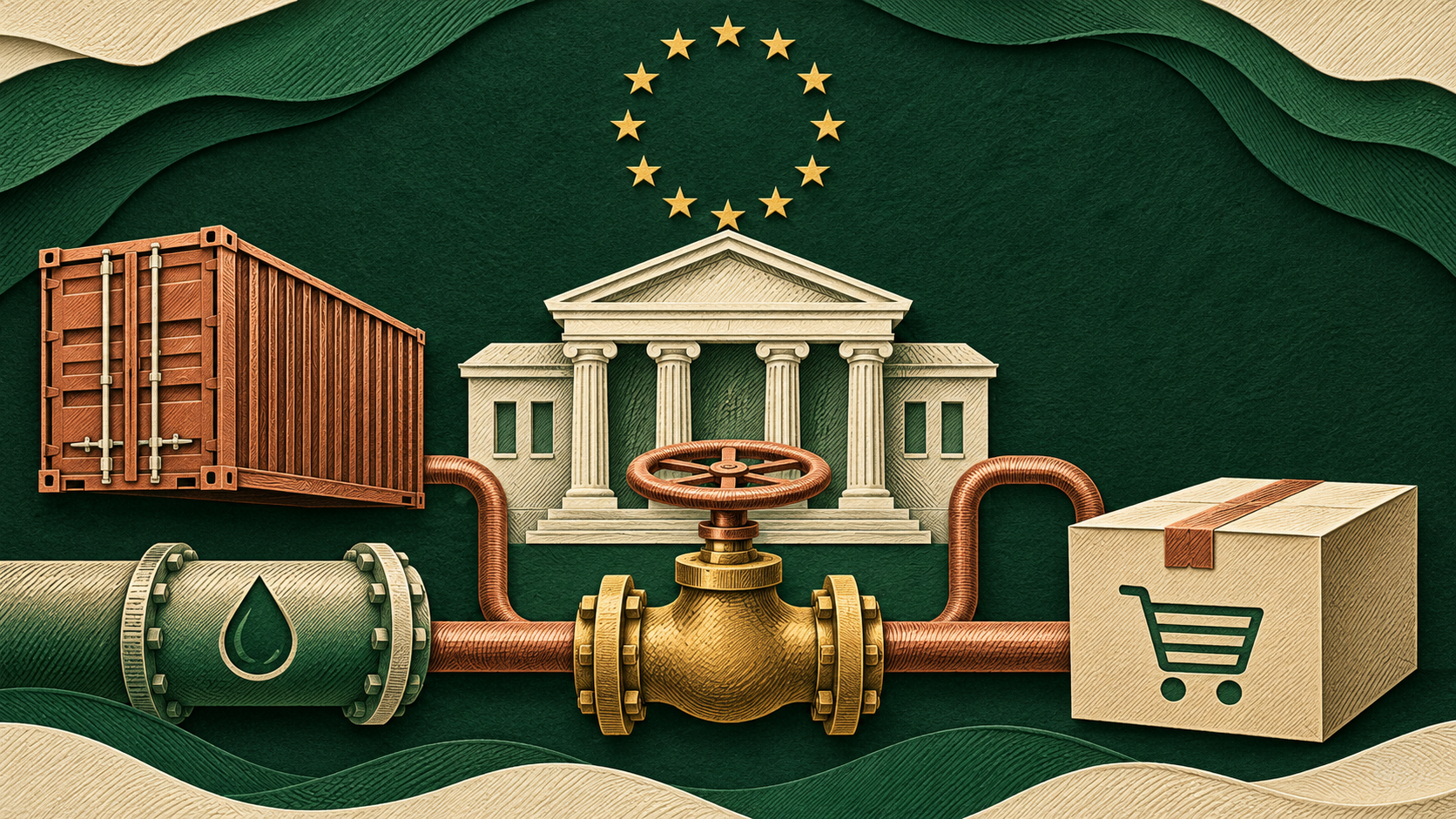
The EU Council added 12 individuals and 101 entities to its Russia sanctions regime on November 16. Nearly 50 Russian banks and financial institutions are included, alongside oil businesses and owners of major e-commerce companies.1
The package covers Wildberries' sole shareholder and a person controlling a majority stake in Ozon. It also reaches refinery operators, the St. Petersburg oil terminal and companies in China, the United Arab Emirates, Seychelles and Oman that buy Russian-origin oil products.1
The practical restrictions are asset freezes and a prohibition on providing listed parties with funds or economic resources, directly or indirectly. Listed individuals also face EU travel bans. The Council says the relevant legal acts have been published.1
These are targeted listings. The announcement does not impose a blanket ban on all Russian online purchases or establish that the measures have already reduced Russia's revenues.