US housing permits fell 7.4% in October to a seasonally adjusted annual rate of 1.295 million, Census and HUD reported on November 18. Estimated housing starts rose 9.9% to a 1.309 million annual rate, but the reported 90% confidence interval spans zero: the direction of that monthly change is statistically uncertain.1
These are annualized rates, not the number of homes built during October. Permits authorize work; starts record construction beginning. Neither is a count of completed homes ready for buyers.1
Bloomboff's take
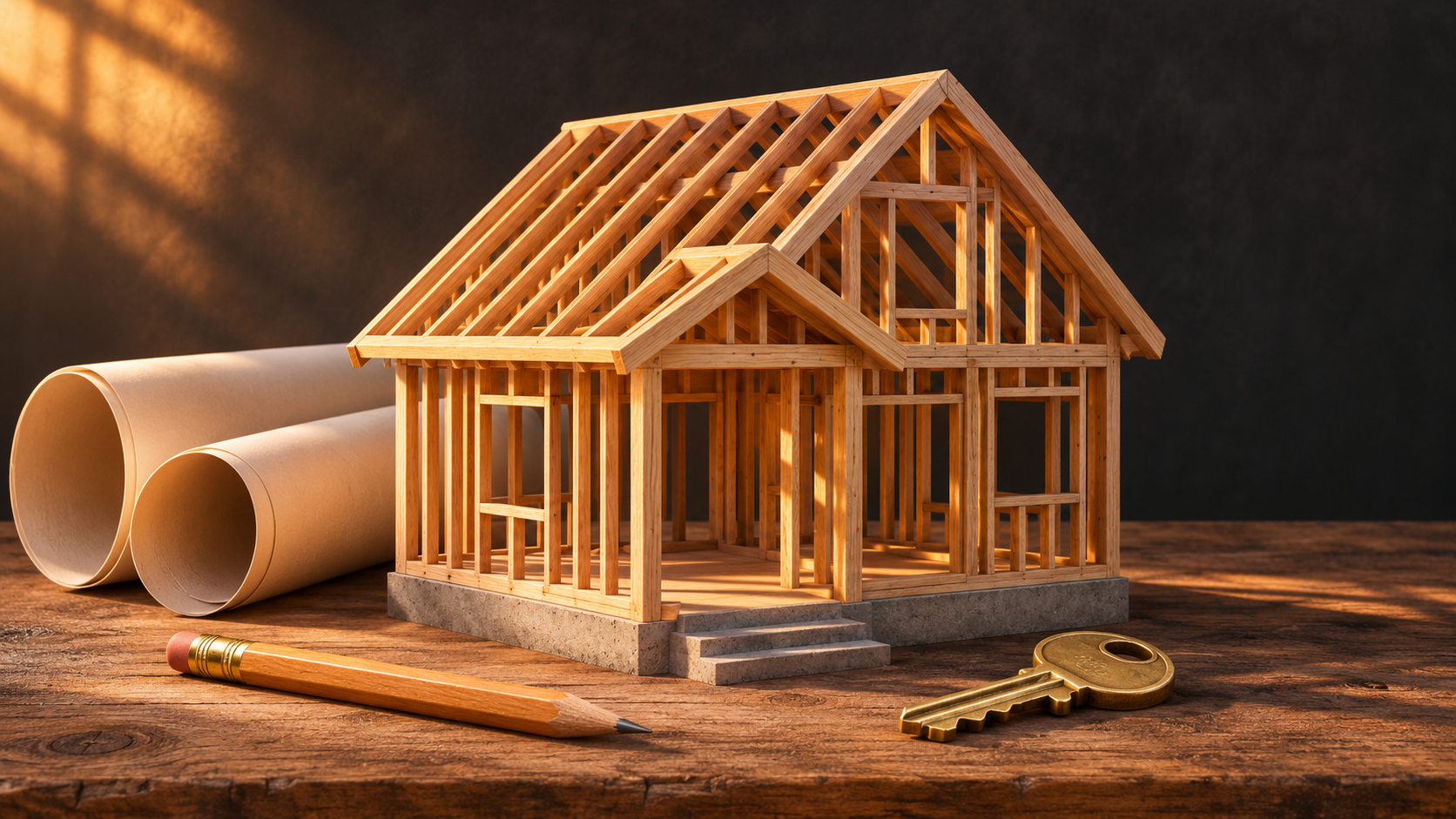
A shovel entering the ground and permission for the next project describe different stages of the housing pipeline. Treating a noisy rise in starts as a clean recovery would ignore both the uncertainty and the weaker authorization figures. This report alone cannot establish what mortgage rates, credit availability or local planning restrictions contributed to the changes.
Housing is a particularly unforgiving place to confuse financial purchasing power with productive capacity. A cheaper loan can increase the amount a buyer can bid without adding a carpenter, a serviced plot or a finished room. Credit conditions matter, but money claims and physical supply are different things. Financing that makes sense only while refinancing stays cheap can leave households and builders exposed when conditions change.
Bitcoin's useful contribution begins on the savings side. A verifiable issuance rule offers an alternative to relying entirely on an issuer-managed currency for long-term saving. Direct ownership also makes it possible to hold monetary value without buying an additional property merely to obtain a scarce asset. That is an argument for monetary choice, not evidence that Bitcoin has already changed these housing figures.
A home still requires land, labor and materials. Bitcoin does not issue building permits or guarantee the purchasing power of a near-term deposit. The practical educational task is to distinguish saving from leveraged speculation, then teach secure self-custody, offline backups and recovery before anyone makes independent ownership part of a household plan.